
How to Create a Contemporary Interior in a Period Home
Period homes offer an undeniable sense of character. Original cornicing, ornate fireplaces, timber floors and generous proportions provide a richness that simply can’t be replicated. Yet many homeowners are looking for interiors that feel lighter, calmer and better suited to modern living. The challenge lies in creating a contemporary interior without losing the architectural soul of the property.
Honour the Architecture: Embrace Contrast Rather Than Competition
The most successful designs embrace contrast rather than competition. A modern contemporary renovation should begin by identifying the home’s defining architectural elements. Decorative mouldings, original joinery, ceiling roses and sash windows all contribute to the property’s identity and deserve to be celebrated.
Rather than attempting to modernise every surface, allow these period details to become the backdrop for a more restrained interior. Preserving character creates depth and authenticity while ensuring the home retains its heritage.
Build a Refined Palette: Texture Over Colour
A refined palette is often the foundation of a contemporary interior. Soft whites, warm stone, muted taupes and earthy greys create a calm backdrop that complements historic architecture without overpowering it.
Rather than relying on bold colours, introduce interest through texture:
Natural Materials: Natural linens, timber, limestone, plaster finishes and brushed metals add warmth while maintaining a sophisticated, understated aesthetic.
Unexpected Pattern Placement: A bold wallpaper can add a dramatic, contemporary layer of texture without interfering with historic panelling or delicate wall mouldings.
Layered Soft Furnishings: Introducing heavy bouclé wools, sheer cotton drapes, and woven rugs adds acoustic dampening and a sense of inviting comfort to high-ceilinged historic rooms.
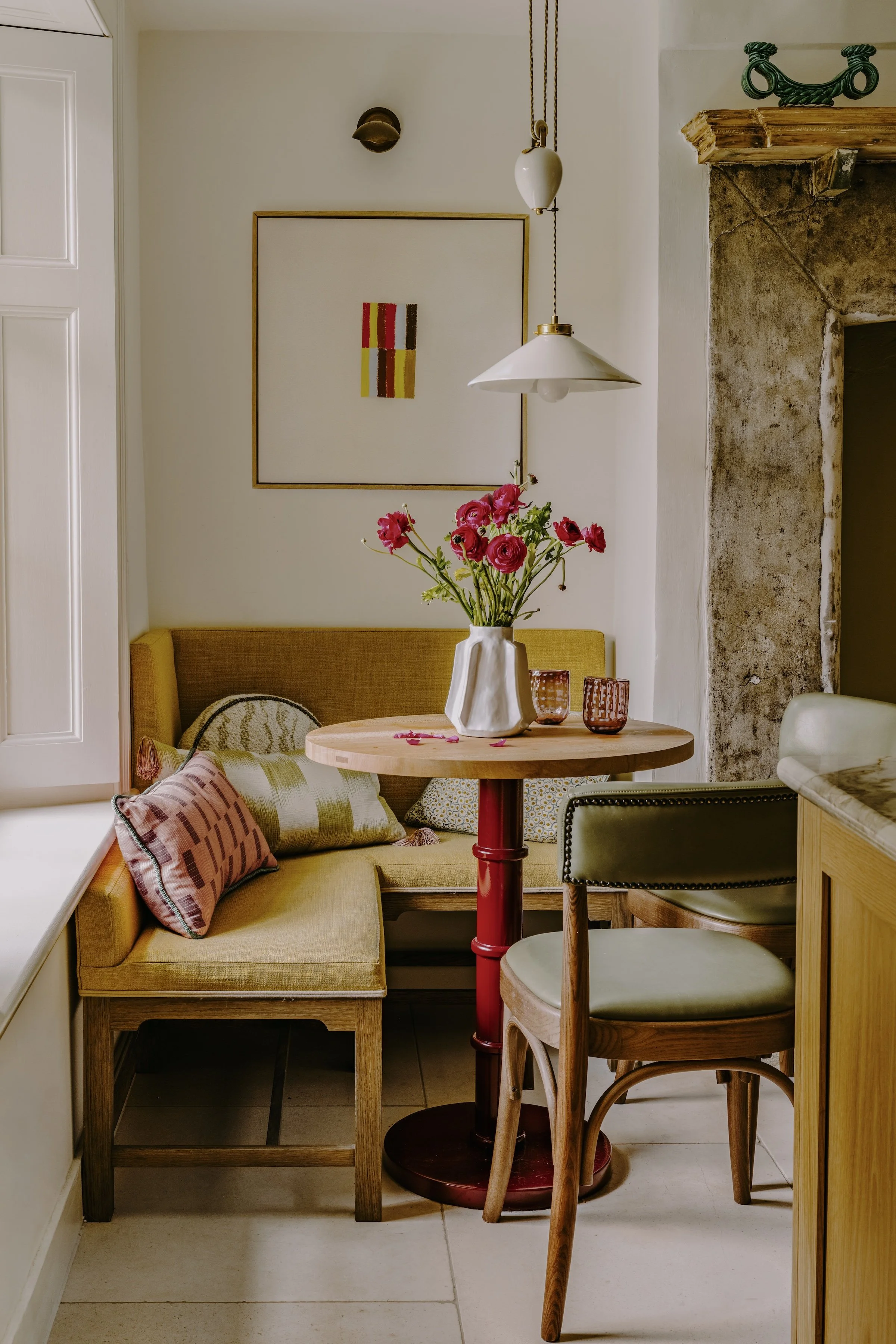
The Art of Juxtaposition: Mixing Modern and Traditional Interior Design
One of the defining characteristics of contemporary interior design is thoughtful juxtaposition.
Furniture & Lighting: A sculptural modern sofa can sit comfortably beneath ornate cornicing, while minimalist lighting can enhance a traditional room without detracting from its original features.
Art Curation: Contemporary artwork often feels even more impactful when displayed against period architecture, creating a dialogue between old and new that allows both styles to shine.
The result is an interior that feels collected rather than overly designed.
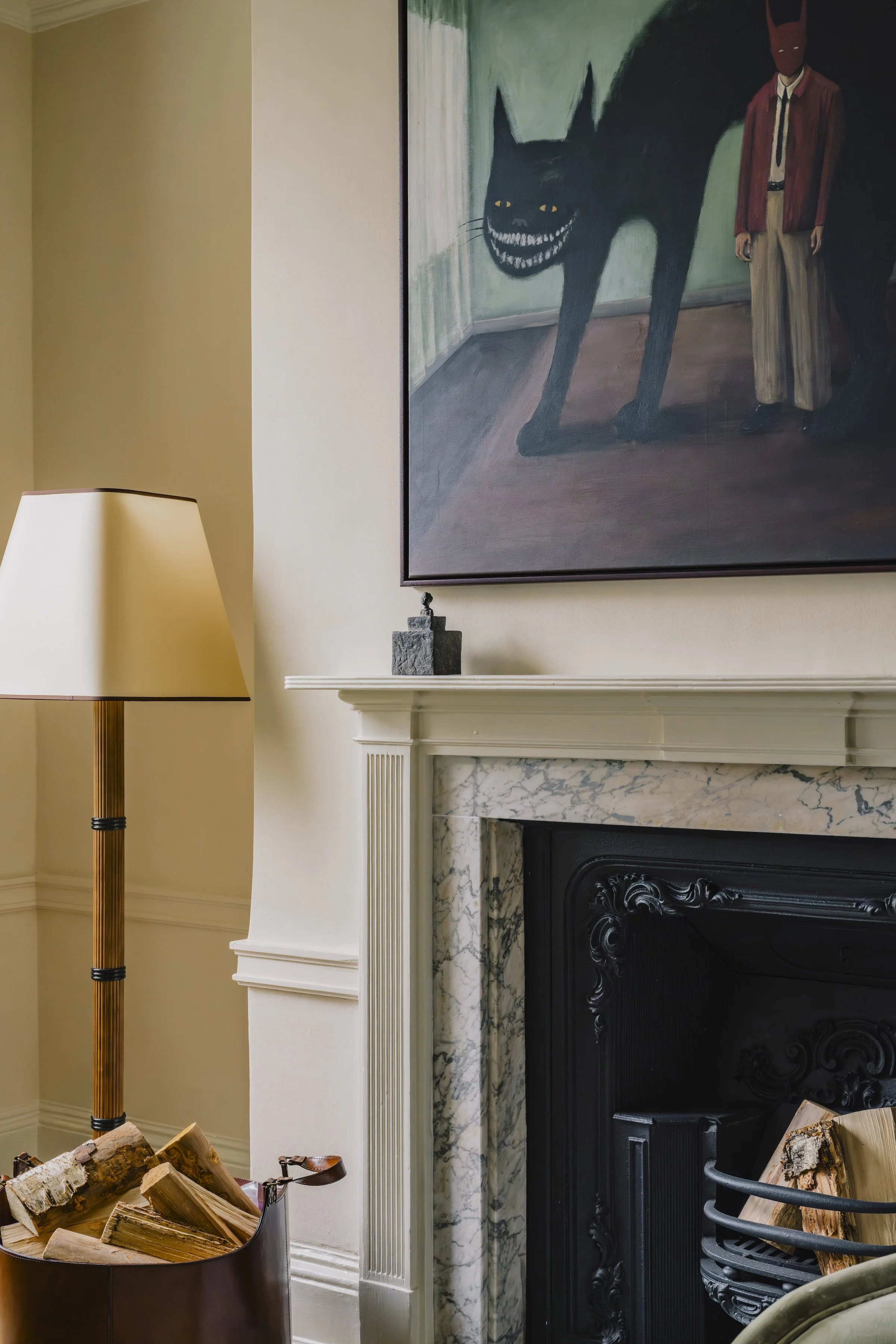
Reimagining Spatial Flow for Modern Living
Many period homes were built for lifestyles very different from today’s. Improving flow through considered interior architecture can dramatically enhance how the space functions, whether through bespoke joinery, integrated storage, carefully planned lighting or sensitive extensions. Good contemporary design is as much about improving everyday living as it is about aesthetics, ensuring these homes evolve to support modern family life while respecting their original character.
Invest in Timeless Quality
Rather than following short-lived trends, invest in furniture and finishes that will remain relevant for years to come. High-quality materials, clean silhouettes and beautifully crafted joinery create interiors that age gracefully, while carefully selected statement pieces add personality without overwhelming the architecture. Simplicity often creates the strongest impact.
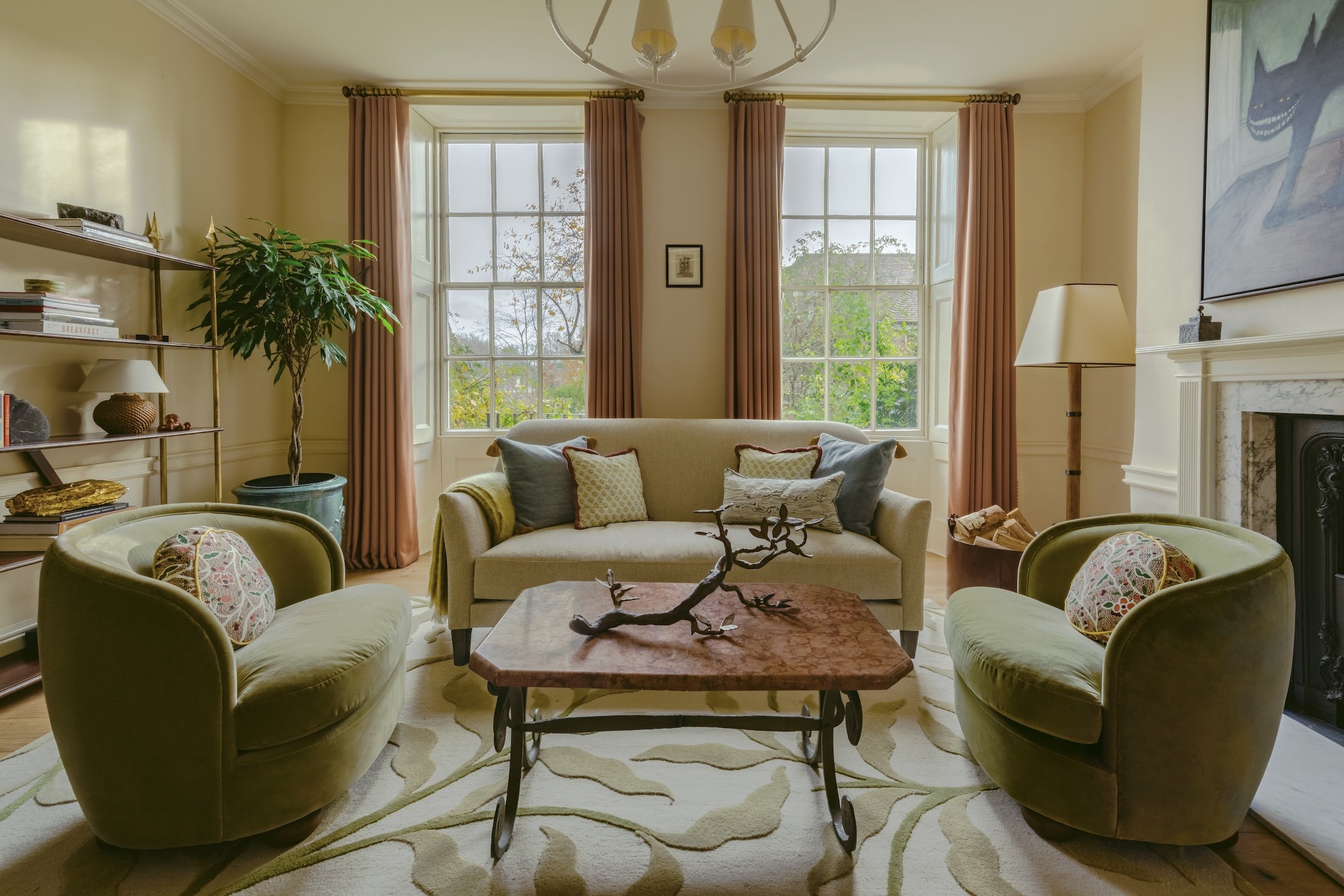
Striking the Perfect Balance
Ultimately, creating a contemporary interior in a period home is an exercise in balance. By pairing heritage features with modern materials, thoughtful lighting and refined furnishings, it is possible to create a home that feels both timeless and entirely suited to contemporary life. The most successful interiors don’t attempt to recreate the past or erase it. They, in fact, honour the building’s history while embracing the way we live today, resulting in spaces that feel elegant, enduring and effortlessly modern.
