
A Sense of Place: Designing for your surroundings
The most successful villa design begins with geography. Before style, before finishes, before furniture, there is place. Designing a villa with a true sense of place means responding to climate, landscape, and local architectural language so that the home feels inseparable from its surroundings. Whether perched above the sea in Saint-Tropez, nestled into the hills of Greece, or surrounded by olive groves in Tuscany, the strongest villas are those that could exist nowhere else.
The French Riviera: Light and Leisure
In Saint-Tropez, villas are shaped by light and leisure. The Mediterranean sun is bright and unrelenting, which calls for shaded terraces, deep overhangs, and seamless indoor-outdoor living.
Reflective Finishes: Pale stone, limewashed walls, and soft neutrals reflect heat while maintaining an effortless elegance.
Fluid Layouts: Here, design prioritises flow—spaces opening outward toward pools, gardens, and sea views—creating homes that feel relaxed, open, and inherently social.
The Greek Islands: Form and Topography
Greek villas respond differently. In places like the Cyclades, architecture is driven by wind, heat, and topography.
Practical Architecture: Thick whitewashed walls, small openings, and sculptural forms are not stylistic choices but practical ones, refined over centuries. Villas here often feel monolithic and grounded, emerging from the landscape rather than sitting on top of it.
Rooted Interiors: Interiors tend to be minimal, with built-in seating, plaster finishes, and a restrained palette drawn directly from the environment—stone, sand, chalk, and sea. The result is calm, timeless, and deeply rooted in tradition.
The Italian Countryside: Texture and History
In Tuscany, the approach shifts again. The landscape is softer, the climate more temperate, and the architecture reflects a long agricultural history.
Intimate Architecture: Villas often feel inward-looking, organised around courtyards or loggias that frame views of rolling hills and cypress trees.
Living Materials: Materials are warm and tactile—terracotta floors, aged timber beams, natural stone—designed to age gracefully. Here, the sense of place is expressed through texture and patina rather than stark contrast or minimalism.
The Core Philosophy: Respect for Context
What unites these diverse locations is a shared design philosophy: respect for context. A villa should respond to how people live in that place—how they gather, eat, rest, and move throughout the day. This might mean designing for siestas and long lunches in southern France, evening breezes and shaded retreats in Greece, or layered interiors that shift with the seasons in Italy.
Ultimately, designing for place is about restraint and observation. It requires designers to step back, absorb the environment, and let it lead. When done well, the architecture feels intuitive and timeless, and the villa becomes more than a beautiful object—it becomes part of the landscape itself.
Geography in Practice: Exceptional Overseas Projects
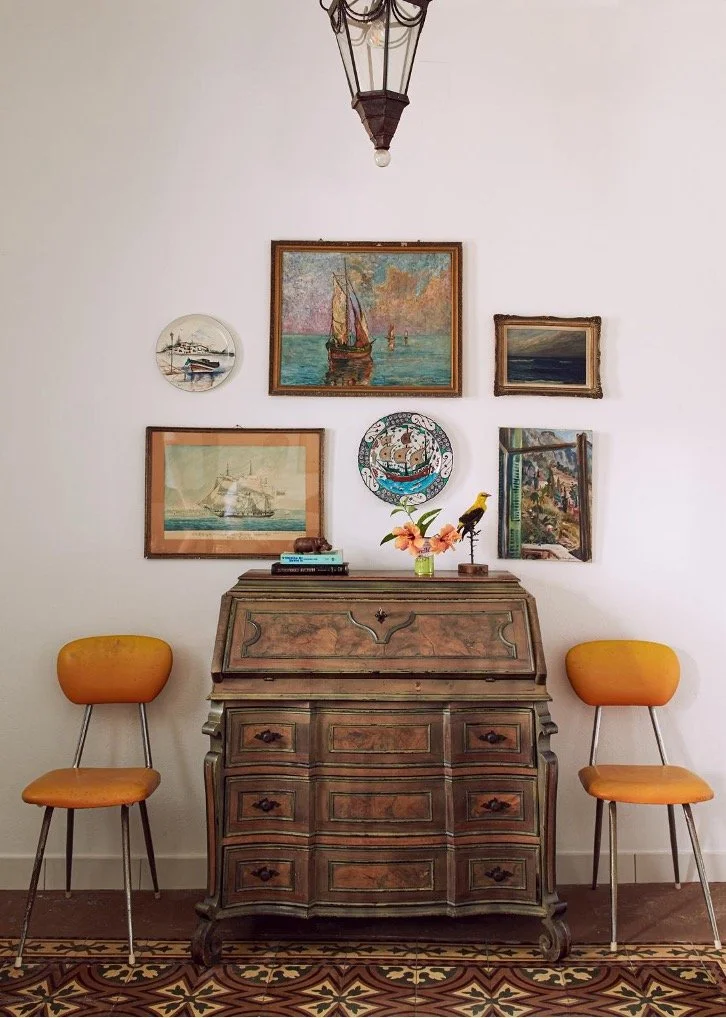
Howark’s very own Serifos project is rooted in memory and place. Family heirlooms sit comfortably alongside pieces sourced from local antique shops, each chosen for its quiet history and connection to the island. Rather than imposing a new narrative, the design builds on what was already there, layering personal objects, timeworn finds, and original details to create a home that feels deeply lived in, authentic, and unmistakably Serifos.
